Odor control during painting is essential for comfort and air quality. This article highlights top odor-blocking options that work with paints and primers, plus practical odor-control products for indoor spaces. From odor-blocking primers to paint-specific odor removers, you’ll find solutions to keep rooms smelling clean as you refresh walls and bins alike.
| Product | Use | Key Benefit |
|---|---|---|
| Rust-Oleum Zinsser 3954 Odorless Oil-Base Stain Blocker Primer | Primer | Low-VOC, blocks odors, dries quickly |
| ZORBX 3 Oz Odor Remover Additive | Paint additive | Removes odors in paint, easy to mix |
| SMELLEZE Paint Odor Eliminator Deodorizer | Odor absorber pouch | Reusable, non-toxic, absorbs VOCs |
| Holismo Kitchen Countertop Compost Bin (Mint) | Odor control for waste areas | Activated charcoal filter, odor adsorbing design |
| Holismo Kitchen Countertop Compost Bin (Cream) | Odor control for waste areas | Charcoal filtration for kitchen odors |
Odorless Primer For Odor Blocking Inks And Paints

Rust-Oleum Zinsser 3954 Odorless Oil-Base Stain Blocker Primer provides low-VOC performance for interior use on wood, drywall, plaster, concrete, and masonry. This odor-blocking primer is designed to seal in stains and smells before painting, helping spaces stay fresh during renovations. It dries to the touch in about 30 minutes and covers up to 100 square feet per quart, enabling faster project completion in both residential and commercial settings.
Odor Remover Additive For Paint Projects

ZORBX Odor Remover Concentrate is designed to blend with latex or oil-based paints to neutralize odors from smoke, mildew, fire damage, cooking, and pets. Mix 1.5 ounces per gallon of paint and apply a fresh coat to refresh living spaces without introducing new color changes. The formula is intended for homes, rental units, and schools, enhancing odor control during repaint projects.
Reusable Paint Odor Absorber Pouch
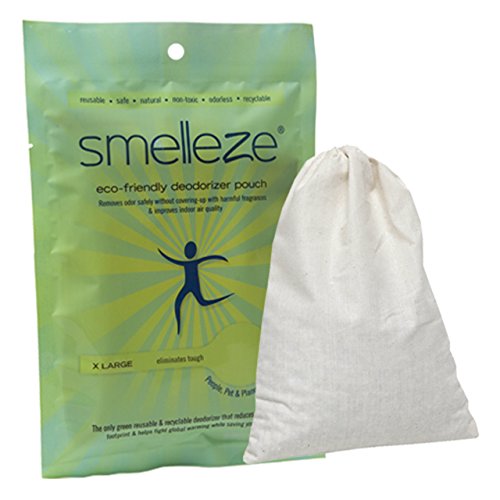
Smelleze is a reusable odor absorber designed to trap and neutralize VOCs from paint fumes without fragrance. Made from non-toxic materials, it offers an eco-friendly option for improving indoor air quality during and after painting. Place pouches in freshly painted rooms or near return air vents, and refresh by exposing to sunlight for reuse. It complements odor-control strategies in homes, offices, and schools.
Odor-Resistant Indoor Compost Bin, Mint

This compost bin uses a premium galvanized steel build with an epoxy resin coating for rust resistance. The lid includes an activated charcoal filter to adsorb odors and promote air circulation around organic waste. Its 1.3 gallon capacity is suitable for households seeking odor control for kitchen scraps, helping maintain a cleaner, fresher cooking area during the composting cycle.
Odor-Resistant Indoor Compost Bin, Cream

Another Holismo model reinforces odor control with a rust-resistant coating and a charcoal filter in the lid. The design emphasizes easy handling and hygiene while delivering a practical 1.3 gallon capacity. This option complements kitchen odor management by reducing smells associated with food waste and helping maintain a fresh kitchen environment during the composting process.
3 Liter Small Indoor Kitchen Compost Bin

This compact countertop bin features a thick activated charcoal filter and a tightly sealed lid to trap odors and deter fruit flies. The removable inner liner simplifies cleanup, and the lid design supports one-handed operation. It comes with two filters, offering ongoing odor control for daily kitchen use and small-space composting needs.
Buying Guide: Odor Control For Bin And Paint Projects
Key purchase considerations help balance odor control, safety, and ease of use across different scenarios:
- Primers and sealers: For painted surfaces, choose odor-blocking primers with low VOCs to minimize fumes during application. Look for dry-to-touch times that fit your schedule and coverage per quart to estimate project size.
- Paint additives: Odor-removing additives can be mixed with latex or oil-based paints. Check dosing guidelines and compatibility with your base paint type to avoid thinning or clumping.
- Odor absorbers and deodorizing products: Reusable pouches or non-toxic absorbers offer ongoing odor control after painting. Consider safety features, reusability, and placement options (rooms, vents, closets).
- Waste-related odor control: For indoor bins, filters and rust-resistant containers with activated charcoal help trap odors. Ensure lids seal well and that the bin size fits your daily waste volume.
- Safety and environmental impact: Prioritize low-VOC or no-VOC products where possible. Check for certifications or disclosures about off-gassing and recyclability.
- Application environment: For rooms with limited ventilation, opt for products designed for indoor air quality and shorter cure times to minimize exposure.
- Maintenance and replacement: Odor absorbers require periodic refreshing or replacement. Factor in ongoing costs and availability when planning long-term use.
When selecting a combination of products, consider pairing a stain-blocking primer with an odor-removing additive for new paint jobs, and supplement with deodorizing pouches or charcoal-filtered bins for ongoing odor management in kitchens, closets, or paint rooms. For large spaces or persistent odors, combining multiple approaches often yields the best results.