Finding an effective, low-toxicity bed bug solution is essential for homes prioritizing safety and the environment. This article highlights five eco-friendly products that target bed bugs at all life stages, including eggs, while minimizing chemical exposure. Each option uses plant-based or naturally derived ingredients and is suitable for sensitive environments. Compare formulations, usage tips, and select the right approach for your space.
Product Snapshot
| Product | Brand | Size (If Listed) | Main Benefit |
|---|---|---|---|
| Bed Bug Killer 16 oz EcoVenger | EcoVenger | 16 oz | Botanical, non-toxic, 100% kill across all stages |
| Bed Bug Killer 64 oz EcoVenger | EcoVenger | 64 oz | Extended protection, same plant-powered formula |
| Eco Defense Bed Bug Killer | Eco Defense | 16 oz | Natural, non-staining, plant-based |
| Ecologic Bed Bug Killer Aerosol | EcoLogic | 14 oz | Lemongrass and cornmint oils for quick contact kill |
| EcoRaider Bed Bug Killer Spray | EcoVenger | 1 gallon | Low-toxicity, broad coverage, eggs and resistant bugs |
Bed Bug Killer 16 oz EcoVenger
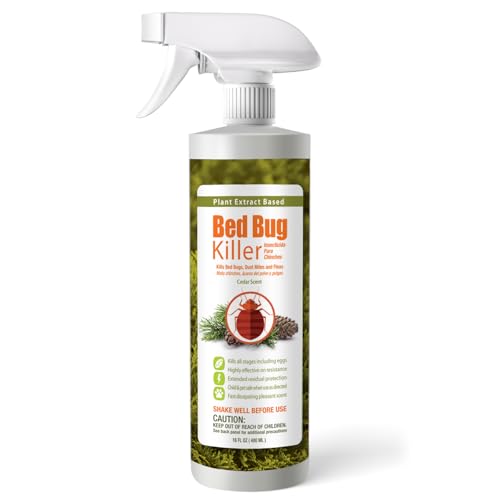
EcoVenger Bed Bug Killer relies on a patented blend of botanical insecticidal compounds designed to tackle bed bugs and other pests with reduced reliance on synthetic chemicals. Independent studies position it as a leading natural option, outperforming many traditional pesticides in controlled tests. The formula is described as highly effective against all life stages, including eggs, and efficacious against bed bugs that have shown resistance to conventional products.
Field validation comes from USDA engagement through the IR4 PHP Program, with field-tested results in environments that require careful chemical management, such as public housing. The product is marketed as suitable for sensitive environments and is designed to minimize fumes and harsh residues. A key strength is its ability to target adults, nymphs, and eggs on contact, contributing to rapid knockdown and longer-term control.
Use considerations include direct application to hiding spots, seams, tufts, mattress edges, and infested surfaces. While plant-based, it should be used according to label directions to ensure complete coverage and to avoid over-application in confined spaces. For households with pets or children, follow any safety guidelines and ensure treated areas are dry before re-entry. This option is ideal for households seeking a non-toxic, plant-derived solution with a strong track record.
Bed Bug Killer 64 oz EcoVenger

The 64-ounce EcoVenger option extends the plant-based treatment approach with greater volume for larger living spaces or ongoing maintenance. The formulation remains consistent with the 16-ounce variant, focusing on killing bed bugs at all life stages, including eggs, and on resistant populations. USDA field-tested credibility reinforces its suitability for settings requiring rigorous environmental standards.
With extended coverage, this size supports less frequent applications for ongoing protection, though users should still follow label guidance to achieve thorough contact with hiding spots such as mattress seams, bed frames, and baseboards. The product’s emphasis on non-toxicity and safety makes it a practical pick for families seeking continuous, low-odor control rather than frequent reapplications of harsher chemicals.
For best results, pair with thorough cleaning, vacuuming, and encasing infested mattresses and pillows. The absence of harsh solvents is a notable advantage for households with sensitivities, children, or pets. Proper storage and disposal of the container are recommended after the treatment cycle concludes.
Eco Defense Bed Bug Killer

Eco Defense Bed Bug Killer emphasizes a natural, plant-based approach designed to be gentle on home occupants while delivering on contact kill performance. The formulation is described as non-staining, enabling direct application to bedding, mattresses, and surrounding surfaces without leaving noticeable residues. This attribute can simplify multi-surface usage in bedrooms and living spaces where aesthetics and fabric integrity matter.
The product highlights include a focus on family safety and a non-toxic profile, aligning with households that prefer solutions free from synthetic pesticides. It targets bed bugs at various life stages when applied to suspected harborages, seams, and folds. As with all eco-friendly products, adherence to the label is important to achieve consistent results, particularly in high-infestation scenarios or when dealing with resistant populations.
Ecologic Bed Bug Killer Aerosol

Ecologic Bed Bug Killer Aerosol blends lemongrass oil and cornmint oil to provide a quick contact kill for bed bugs on contact. It is designed for targeted spot treatment on mattresses, bed frames, seams, edges, and tufts where bed bugs tend to hide. The emphasis on natural essential oils addresses the need for a fragrance-light, user-friendly product that can be applied without heavy chemical odors.
While the aerosol format supports rapid knockdown, users should thoroughly treat all harborages and reapply as needed per label directions. The natural ingredients appeal to households seeking a minimal-odor option. As with all natural sprays, reapplication frequency may be higher in heavily infested areas, and combining with cleaning and encasement strategies will typically enhance effectiveness.
Bed Bug Spray – Natural, Plant-Based Killer

EcoPest Bed Bug Spray offers a natural, plant-based formula designed for fabrics and mattresses, with a focus on safe use around children and pets. It claims fast knockdown and lasting control across all life stages, including eggs, with a low-odor profile and no harsh synthetic pesticides. The product’s non-staining, residue-free design helps protect fabrics and finishes in bedrooms and living spaces.
Usage guidance emphasizes spot treatments on mattresses, bed frames, baseboards, and areas where bed bugs hide, along with routine checks and encasement adoption for comprehensive control. This option complements vacuums, steam treatments, and regular monitoring to maintain long-term suppression of bed bug activity.
Buying Guide: Key Considerations For Eco-Friendly Bed Bug Treatments
- Active ingredients: Look for plant-based or naturally derived compounds. Check for certifications or university-backed efficacy data to support claims of effectiveness against all life stages, including eggs and resistant strains.
- Application scope: Assess whether the product targets contact kill, residual protection, or both. Consider spaces with mattresses, bed frames, seams, tufts, baseboards, and luggage for comprehensive coverage.
- Safety profile: Prioritize formulations that minimize fumes, residues, and staining. Verify suitability for homes with children, pets, or sensitivities. Follow label instructions for safe use and storage.
- Format and coverage: Choose according to space size and infestation level. Sprays, aerosols, and concentrates offer different coverage and reapplication needs. Large-volume options suit bigger spaces or ongoing maintenance.
- Compatibility with integrated strategies: Eco-friendly products often work best when combined with non-chemical methods, such as encasements, vacuuming, heat or steam treatments, and clutter reduction to improve accessibility to harborages.
- Long-term vs. immediate control: Some products deliver rapid knockdown, while others emphasize extended protection. A multi-product approach can balance immediate relief with ongoing suppression.
- Cost and availability: Budget considerations matter for ongoing use. Larger sizes may reduce cost per treatment, but ensure you have space for storage and adherence to usage guidelines.
In summary, eco-friendly bed bug treatments offer effective, lower-toxicity options for households seeking safer pest control. When choosing a product, consider the infestation severity, space, and safety needs, and combine chemical-free practices with preventive measures to optimize results.