For horse owners, trailer ramps demand reliable traction, durability, and ease of cleaning. Rubber mats designed for ramps provide grip in wet or muddy conditions, protect trailer floors, and reduce slip risks during loading and unloading. This guide reviews five top mats that align with typical needs—from lightweight, affordable ramp runners to heavy-duty stalls that double as trailer protection. Each option offers unique benefits, whether you prioritize grip, portability, natural fiber traction, or universal compatibility with various ramps and trailers.
| Product | Material Type | Best For | Approximate Size |
|---|---|---|---|
| Rubber-Cal Ramp-Cleat 1/8″ | Rubber | Lightweight, economical ramp grip | 3 ft x 8 ft |
| Rubber-Cal Ramp-Cleat 0.13″ | Rubber | Durable anti-slip for inclined ramps | 3 ft x 6 ft |
| Kempf Coco Coir Mat (4′ x 6′) | Coco Coir | Natural grip, mud scraping | 4 ft x 6 ft |
| Kempf Coco Coir Mat (3′ x 5′) | Coco Coir | Compact, high traction for ramps | 3 ft x 5 ft |
| OULEME 26×9 Rubber Mat | Rubber | Universal fit with levelers and ramps | 26 x 9 inches |
Rubber-Cal Ramp-Cleat 1/8 Inch Rubber Floor Mat
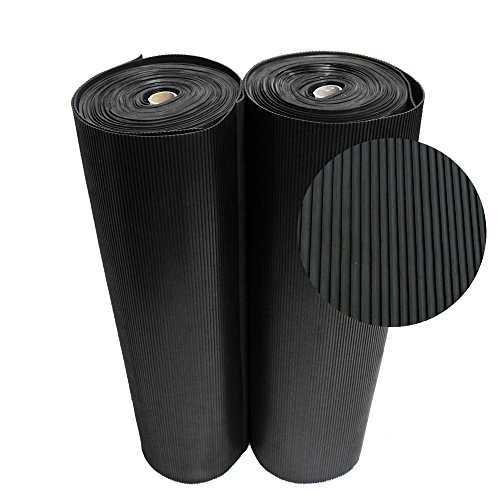
This Ramp-Cleat mat is designed for inclined paths such as ramps and walkways, offering excellent durability and easy installation. The 1/8 inch thickness balances weight with grip, making it a practical option for portable use around horse trailers. It remains lightweight for seasonal deployment and provides non-slip protection on ramps, docks, and temporary walkways. Its affordability makes it accessible for routine trailer use, while its durable rubber construction helps minimize wear from horse hooves and weather exposure.
Key features include ease of movement and installation, affordability, and a robust non-slip surface that helps reduce slipping during loading. While it is not a floor-wide solution for every trailer, its size and weight are well-suited for frequent ramp use and quick setup. Consider pairing with a rubber mat or grip tape at the top and bottom edges to maximize traction in muddy or wet conditions.
Rubber-Cal Ramp-Cleat Non-Slip Floor Mat (0.13 Inch, 3×6)
This version uses a slightly thicker rubber (0.13 inch) to enhance durability on steeper ramps or areas with heavier use. Its lighter weight supports portability, while the extended 3×6 footprint provides coverage where traction is most needed during loading and unloading. The mat’s texture is optimized to resist slip even when hooves and wet surfaces combine to challenge stability.
Pros include sturdy anti-slip performance and quick placement. Potential drawbacks are that it may be bulkier to carry compared with thinner options, and it may require regular cleaning to maintain traction in muddy environments. It fits well with a range of trailer ramp angles and is suitable for seasonal use or as a permanent ramp insert in some setups.
Kempf Natural Coco Coir Mat (4′ x 6′)

This mat uses natural coconut coir fibers to provide high traction and a scraping action that helps remove mud and moisture from hooves before horses enter the trailer. The woven-back construction supports heavy loads and resists tearing, making it a durable choice for frequent trailer use. As a natural option, it stands out for its eco-friendly profile and ability to maintain grip in damp conditions.
Key advantages include maximum traction and eco-friendliness. It’s a strong choice for trailers, ramps, and entryways where mud, water, and debris can accumulate. A potential limitation is that natural fibers may require more maintenance to prevent board-through wear and may not be as slip-resistant as rubber when wet, though coconut coir retains grip effectively in many conditions.
Kempf Natural Coco Coir Mat (3′ x 5′)

This smaller coir mat provides similar traction and moisture management in a compact footprint. It’s suitable for shorter ramps or as a complement to larger mats on longer trailers. The product emphasizes safe loading through coarse, stiff natural fibers that grip hooves even in damp conditions, while the woven backing helps ensure stability on uneven surfaces.
Consider this mat if you need to cover shorter ramp sections or create a layered ramp protection approach. It’s not a rubber-only solution, so users seeking maximum slip resistance in extremely wet climates may opt for a rubber option or combine with a rubber top layer for added safety.
OULEME Heavy Duty Rubber Mat (26×9, 2 Pack)
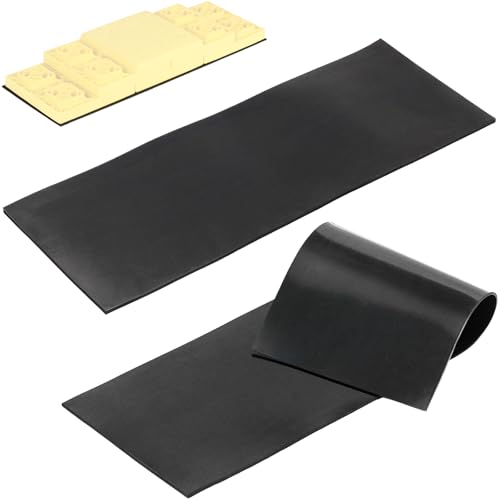
These larger rubber pads are designed for broader, universal fit across various leveling blocks, ramps, and levelers. The 26 x 9 inch dimensions provide ample surface coverage for expanded contact with the trailer ramp, reducing slippage during loading and unloading. The mats’ durable rubber supports repeated exposure to outdoor elements while maintaining grip on wet or muddy surfaces.
Benefits include universal compatibility with most curved camper levelers and ramps, as well as resistance to cracking under pressure. They are a practical option when you need a robust, all-purpose rubber mat that can adapt to multiple trailer configurations. For best results, place them across the most trafficked ramp area and pair with a top traction aid if weather conditions are especially slick.
Buying Guide: Key Considerations For Choosing Rubber Mats For Horse Trailer Ramps
- Traction and slip resistance: Rubber mats often deliver the strongest grip on wet surfaces, while natural coconut coir is effective when dry or mildly damp, providing a scraping action to remove mud.
- Durability and load bearing: Choose mats that are designed to withstand hooves, weight, and repeated loading. Thicker mats or reinforced backing tend to last longer on busy trailers.
- Portability and installation: If you need to remove mats seasonally or switch trailers, lighter weight mats with easy placement can save time and effort.
- Size and coverage: Measure ramp dimensions to ensure you cover the critical contact area. Larger mats reduce exposed ramp edges where slipping can occur.
- Maintenance: Rubber mats are generally easier to wipe down and hose off. Natural coir mats may require brushing and occasional conditioning to maintain grip and prevent fraying.
- Ventilation and drainage: Ensure mats do not trap moisture against trailer floors. Some mats are designed to facilitate water drainage to prevent pooling.
- Environmental considerations: Natural fiber mats are eco-friendly but may have different weather tolerances than rubber. Consider climate and frequency of use when selecting material.
- Compatibility: If you use leveling blocks or specific ramp configurations, ensure the mat dimensions and flexibility fit your system without creating tripping hazards.
In choosing the right mat setup for horse trailer ramps, consider balancing traction needs with ease of cleaning and portability. A multi-layer approach—combining a rugged rubber ramp mat with a natural fiber top layer in drier climates—can provide both grip and mud-scraping action while maintaining trailer floor protection.