Managing wasp nests requires a combination of effective tools and deterrents. This guide highlights practical nest removal gear and decoy systems designed to reduce nest-building near homes. Each product below targets different stages of wasp control—from direct nest removal to deterrence that discourages hornets, yellow jackets, and other wasps from settling in your surroundings. The selection focuses on safety, reliability, and ease of use for American homeowners and professionals alike.
| Product | Brand | Use | Amazon Link |
|---|---|---|---|
| Wasps Nest Remove Tool Scraper Kit | Smarkey | Direct nest removal and cleaning | Link |
| 4 Pack Wasp Nest Decoy Hanging | DECYOOL | Deterrence by simulating an enemy hive | Link |
| DECYOOL 6 Pack Paper Wasp Nest Decoy | DECYOOL | Deterrence by simulating an enemy hive | Link |
| WBCBEC 3 Pack Large Crochet Wasp Nest Decoys | WBCBEC | Visual deterrence for outdoor spaces | Link |
| RESCUE! VisiLure TrapStik for Wasps | RESCUE! | Trap and eliminate wasps without sprays | Link |
The following sections present five selected products, each with a concise overview, key features, and practical usage notes. The aim is to provide objective information to help you choose appropriate nest removal tools and deterrents for various settings—from home eaves to outdoor patios.
Wasps Nest Remove Tool Scraper Kit
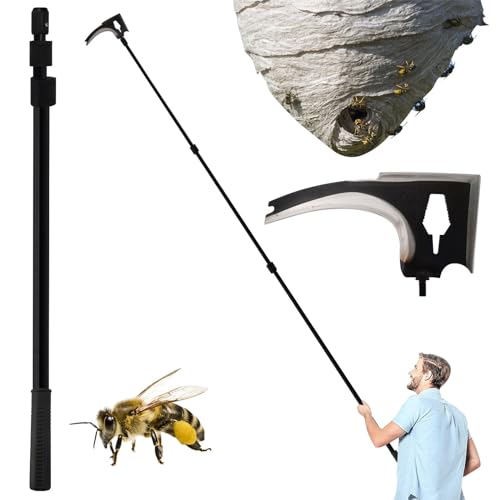
The Wasps Nest Remove Tool from Smarkey is designed for safe removal and cleaning of nests. It features a three-edge knife design to facilitate swift, controlled scraping of wasp, hornet, and yellow jacket nests, reducing sting risks during cleanup. The tool is built from sturdy steel to endure outdoor use, offering reliable performance for nest removal tasks performed by homeowners or professionals.
4 Pack Wasp Nest Decoy Hanging

DECYOOL’s 4-pack of yellow paper wasp nest decoys provides a simple, non-chemical deterrent. Each decoy measures about 8.5 inches in diameter and 11 inches tall, designed to mimic a rival hive and signal wasps to avoid the area. Placement suggestions include edge-of-roof lines, near garbage storage, and zones with standing water where wasps are drawn to sugary sources. The decoys help create a perceived nest threat to help keep wasps away from critical areas.
DECYOOL 6 Pack Paper Wasp Nest Decoy

This six-pack of paper wasp nest decoys from DECYOOL expands deterrence coverage. The decoys, when propped open, measure approximately 8 by 11 inches and are intended to mimic the look of a real enemy hive to discourage wasp colonies from establishing nearby. Install near building edges, eaves, and areas where wasps commonly gather to feed or hover. A practical approach for patios, decks, and entryways.
WBCBEC 3 Pack Crochet Wasp Nest Decoys

These large crochet wasp nest decoys from WBCBEC are designed for patio or eave hanging. The pack includes three beige nests, each about 12.6 inches tall and 7.8 inches wide, crafted from durable hemp rope. The integrated hanging hook makes placement easy, and the rustic appearance blends with outdoor décor while serving as a warning to actual wasp colonies nearby—that they’re entering a space that appears already claimed by another nest.
RESCUE! VisiLure TrapStik for Wasps
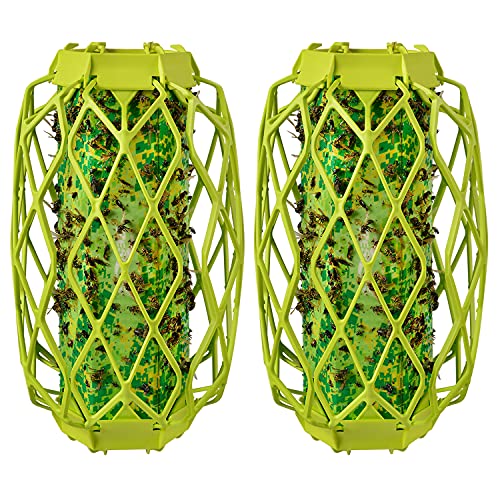
The VisiLure TrapStik from RESCUE! is a trapping solution designed to lure wasps, red wasps, mud daubers, and carpenter bees without sprays or odors. The two-pack uses an appealing color and a multi-dimensional pattern to attract insects, after which they become stuck to the sticky surface and expire. The product emphasizes a chemical-free approach with a design that reduces chances of unintended catches due to thoughtful glue guards around the sticky area.
Buying Guide
Key purchase considerations
- Purpose and scope: For active nests, a direct removal tool (like the Smarkey scraper) is essential. For preventative deterrence around homes and outdoor spaces, decoy nest systems (DECYOOL and WBCBEC) provide ongoing protection.
- Placement and environment: Deterrent decoys perform best along building edges, eaves, near garbage areas, and zones with access to water or sugar sources—areas that attract wasps.
- Durability and materials: Steel tools withstand outdoor exposure; decoys use paper, hemp rope, or fabric-like materials that balance durability with visual appeal in outdoor settings.
- Safety: Nest removal should be performed with protective gear and awareness of nest size and activity. These tools and decoys are designed to minimize direct contact with stinging insects but do not eliminate an active nest by themselves.
- Maintenance and replacement: Some decoys may fade or degrade over time due to sun exposure. Have replacements available and rotate placements as needed to sustain deterrence.
Comparative considerations
- Direct removal tools vs. deterrents: Use a removal tool for active nests or severe infestations; use decoys to deter new nests from forming nearby. Combining both approaches can enhance overall protection for homes and outdoor spaces.
- Coverage area: Multi-pack decoys offer broader deterrence across large patios or yards, whereas a single removal tool targets a specific nest location.
- Non-chemical approach: Many of the listed deterrents rely on visual cues rather than pesticides, aligning with safety-conscious or chemical-free preferences.
Practical usage scenarios
- Home exteriors with frequent wasp activity: Install multiple decoys around entrances, dining areas, and windows to discourage nesting near high-traffic zones.
- Worksites or tool sheds: Use a combination of nest removal tools for nests found on eaves or structures and decoys to prevent new nest formation nearby.
- Patios and gardens: Place decoy nests near seating areas and water features to reduce wasp presence while maintaining an inviting outdoor space.