The exterior of a home or building faces sun, rain, and temperature swings. Choosing a cement-based exterior paint can help protect concrete, brick, stucco, and masonry while delivering a lasting, attractive finish. This guide highlights five top products designed for cement and masonry surfaces, with objective notes on performance, application, and suitability for different exterior projects. Each section links to the product’s Amazon listing for quick reference and comparison.
| Brand | Product | Surface Suitability | Notable Feature |
|---|---|---|---|
| KILZ | Self-Priming Masonry, Stucco and Brick Paint (Gray) | Masonry, Stucco, Brick | Self-priming; alkali resistant; water repellency |
| KILZ | Basement and Masonry Waterproofing Paint | Concrete, Masonry, Basements | Nanotechnology water barrier; alkali resistant |
| KILZ | 1-Part Epoxy Acrylic Concrete & Garage Floor Paint | Horizontal concrete surfaces | Epoxy acrylic durability; tire abrasion resistance |
| Hensire | Exterior Wall Paint | Concrete and brick exteriors | Waterproof, low odor, durable finish |
| KOMPOZIT | Dove Gray Concrete Floor Paint | Garage floors, driveways, patios | Satin finish; hot tire resistance |
KILZ Self-Priming Masonry, Stucco and Brick Paint (Gray)

This acrylic latex, water-based paint is designed for interior and exterior use on textured masonry, stucco, brick, and drywall surfaces. It provides good hiding properties, strong adhesion, and water repellency on cement-based substrates. The self-priming formula can simplify preparation on properly prepared surfaces while offering alkali resistance up to pH 12.0. Application options include rolling, brushing, or spraying for versatile project workflows.
KILZ Basement and Masonry Waterproofing Paint (White)
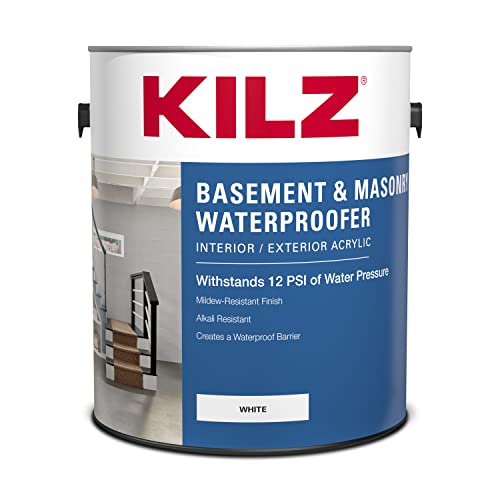
Designed to waterproof and seal porous concrete and masonry surfaces both indoors and outdoors, this product uses nanotechnology to form a barrier against water infiltration. It is alkali resistant and provides a durable decorative finish if properly prepped. Suitable for basement walls, masonry walls, retaining walls, cinder blocks, stucco, and brick. For best results, use appropriate tools and pressure or air-assisted application where needed. Not intended for floors or areas with active leaks.
KILZ 1-Part Epoxy Acrylic Concrete & Garage Floor Paint (Slate Gray)

This durable epoxy acrylic formula resists hot tire pickup, scuffing, cracking, peeling, and fading. It delivers a satin finish on concrete surfaces, suitable for both indoor and outdoor horizontal areas. While ideal for basements, garages, porches, driveways, and pool decks, it is best applied on properly prepared porous concrete, masonry, stone, or brick. Not designed for vertical surfaces or hydrostatic pressure exposure.
Hensire Exterior Wall Paint
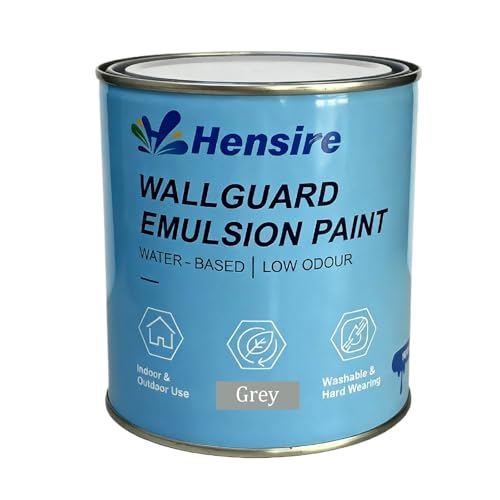
Hensire exterior wall paint provides a waterproof, low-odor, durable coating for concrete and brick facades. The product line emphasizes strong adhesion to rough textures and resistance to weathering, making it suitable for exterior renovation projects where moisture exposure and UV rays are concerns. It is intended to deliver a long-lasting color and protection with consistent performance for outdoor walls.
KOMPOZIT Dove Gray Concrete Floor Paint

This 100% acrylic, self-priming concrete floor paint is formulated for interior and exterior concrete floors. It features a satin finish for a clean, semi-gloss look and is designed to endure outdoor climate with UV protection and strong adhesion to concrete and asphalt. A two-coat system is recommended for optimal durability on smooth or textured surfaces, including garages, driveways, and patios, with hot-tire resistance built into the formulation.
Buying Guide: Key Considerations For Cement-Based Exterior Paint
When selecting cement-based exterior paint, consider surface type, prep requirements, and the expected exposure. For porous concrete, masonry, stucco, or brick, choose paints with good adhesion, alkali resistance, and water repellency. Self-priming formulas can reduce steps on prepared surfaces, but some projects still benefit from a dedicated primer. If spraying is planned, verify the product’s compatibility with spray equipment and PSI ranges. For exterior floors, look for epoxy or polyamide-based formulas that resist tire abrasion and chemical exposure. UV resistance helps maintain color fidelity over time in sunny climates.
Durability and maintenance vary with climate. In damp or freezing regions, select products offering strong water sealing and crack-bridging properties, and ensure there is proper drainage and surface curing. In high-traffic outdoor areas like garages or patios, prioritize abrasion resistance and easy cleanup. Odor and VOC content may matter for enclosed spaces or sensitive occupants, so low-VOC formulas are advantageous where ventilation is limited. Always follow surface preparation guidelines, including cleaning, repairing cracks, and curing conditions, to maximize longevity.
In practice, a multi-product approach can be effective. Use a waterproofing or masonry sealer for porous substrates, then apply a cement-based topcoat for color and protection. For areas exposed to heavy wear or tire contact, prioritize high-durability epoxy or satin-finish options. Finally, match the color and sheen to your architectural style and climate to achieve a durable, attractive exterior finish.