When facing bed bug challenges in homes, hotels, or office spaces, reliable traps are a key part of early detection and ongoing monitoring. This guide highlights five widely used commercial bed bug traps, chosen for effectiveness, ease of use, and non-toxicity. Each section provides practical placement tips and the features that make these traps suitable for both residential and commercial settings.
| Product | Brand | Type | Highlights |
|---|---|---|---|
| Ortho Home Defense Max Bed Bug Trap | Ortho | Detection & Monitoring | Detects bed bugs; useful pre/post treatment; versatile placement |
| HARRIS Bed Bug Traps – Parent (20-Pack) | HARRIS | Disposable Detection | Pesticide-free; discreet; easy to use |
| MaxGuard Bed Bug Traps (24 Traps) | Maxguard | Detection & Insect Trapping | Non-toxic; attracts and traps multiple insects |
| Harris Bed Bug Traps for Early Detection & Monitoring (4 Pack) | HARRIS | Early Detection | Natural product; versatile for residential/commercial |
| Bed Bug Interceptors (8 Pack) by Schadro | Schadro | Detection & Monitoring | 360° protection; under furniture; 24/7 monitoring |
Ortho Home Defense Max Bed Bug Trap
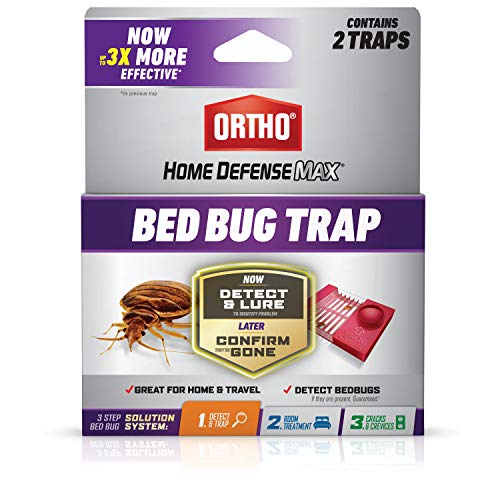
Ortho’s bed bug traps are designed to detect and lure bed bugs from common hiding places. They are useful for confirming the presence of bed bugs before treatment and for verifying removal after treatment. Place traps near bed headboards, bed legs, between the mattress and box spring, and in high-traffic areas like sofas and recliners. The traps support a practical monitoring workflow in both homes and travel settings, making them a versatile option for landlords, property managers, and travelers alike.
HARRIS Bed Bug Traps – Parent (20-Pack)
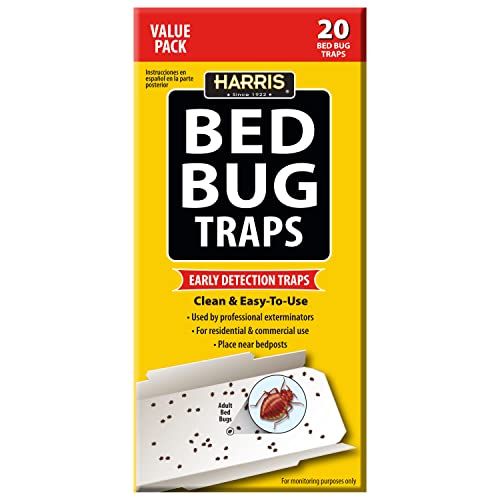
The Harris 20-pack offers a pesticide-free solution that is simple to deploy. Traps can be folded and secured with the top tab, then slid discreetly under furniture and bedding for ongoing monitoring. This option is particularly suited for hotels and multi-unit dwellings where non-chemical approaches are preferred and quick setup is essential for ongoing prevention programs.
MaxGuard Bed Bug Traps (24 Traps)

MaxGuard traps are described as a professional-grade, non-toxic detection solution. They incorporate a timed-release attractant to help lure bed bugs and improve early detection before an infestation escalates. The package includes multiple traps, making them suitable for larger rooms, suites, or commercial spaces where continuous monitoring is needed without chemical exposure.
Harris Bed Bug Traps for Early Detection & Monitoring (4 Pack)
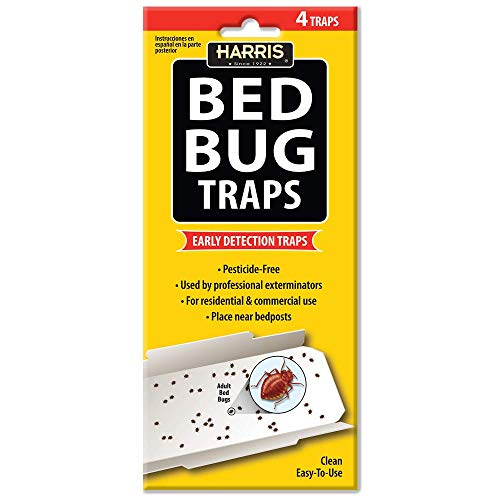
These Harris traps emphasize early detection and monitoring, blending a natural product approach with easy usability. The discreet design enables placement under beds, sofas, and other furniture in both residential and commercial contexts. The four-pack is practical for multiple rooms or units, supporting a proactive pest management plan that prioritizes early intervention and data gathering for ongoing maintenance.
Bed Bug Interceptors, 8 Pack by Schadro
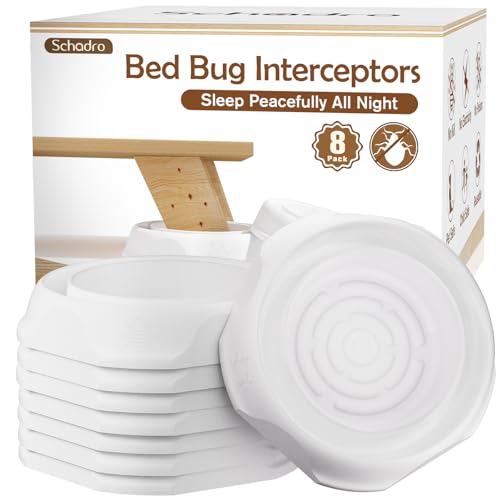
Schadro’s 8-pack interceptors emphasize 24/7 monitoring with 360° protection. They are designed to fit under most bed posts and furniture legs, making them ideal for apartments, hotels, dormitories, and other settings where unobtrusive monitoring is important. The traps are built to capture bed bugs as they climb, providing ongoing data about infestation levels and movement patterns for informed response.
Bed Bug Interceptors, 8 Pack (Black) by Schadro

This 8-pack variant by Schadro mirrors the brand’s Multicolor line in a black finish. It retains the 24/7 monitoring capability and 360° protection, with the same under-furniture compatibility. The uniform black design blends with most interiors while delivering consistent detection data across rooms or units.
ECOPEST Bed Bug Interceptors – 8 Pack

ECOPEST offers an 8-pack Bed Bug Interceptors designed for 24/7 detection and protection. These traps emphasize heavy-duty versatility and compatibility with almost all furniture and bed frames. They are positioned as a reliable interceptor option for homes, hotels, dormitories, and other environments that require continuous monitoring without chemical interventions.
Buying Guide: Key Purchase Considerations
- Detection vs. prevention: Choose traps that provide early detection data to inform treatment decisions, especially in multi-unit properties.
- Placement strategy: Consider under-bed legs, between mattresses and box springs, and near frequently used seating areas to maximize contact with bed bugs.
- Non-toxicity: For facilities with high foot traffic (hotels, hospitals), non-toxic and chemically inert traps are often preferred to protect guests and residents.
- Ease of use: Look for traps that are simple to set up, fold, or slide into position without tools, enabling rapid deployment across rooms or units.
- Durability and maintenance: Reusable vs. disposable options affect long-term costs and cleaning routines, especially in shared spaces.
- Scale and coverage: Large properties may benefit from bulk packages (e.g., 20–24 traps) to ensure comprehensive coverage in common areas and multiple rooms.
- Data interpretation: Some traps include attractants that improve detection during initial monitoring; others focus on passive catching. Consider what data you need to guide treatment planning.
- Compatibility with existing programs: If you already employ professional pest control, ensure traps align with your monitoring schedule and reporting standards.
In sum, selecting the right bed bug traps involves balancing detection capability, ease of use, safety, and scale. For many American homes and hospitality properties, a mix of under-furniture interceptors and surface-area traps provides robust monitoring, helping to minimize disruptions and support effective pest management strategies.