Foil-faced insulation boards and reflective barriers provide a dependable solution for reducing heat transfer, improving energy efficiency, and protecting spaces from temperature extremes. This guide highlights five top options from trusted brands, covering rigid boards, reflective foils, and foam-core rolls. Each product is described with key specs, performance notes, and practical installation considerations to help you choose the right option for walls, ceilings, ducts, and windows.
| Product | Type | Core Material | Typical Use |
|---|---|---|---|
| BXI Ceramic Fiber Board | Rigid Insulation Board | Aluminosilicate Ceramic Fiber | High-temperature insulation and flame retardant applications |
| INSULATION MARKETPLACE SmartSHIELD | Reflective Foam Core Roll | Closed-cell Polyethylene Foam | Radiant and vapor barrier for walls, attics, ducts |
| DGSL Reflective Bubble Foil | Bubble Foil Insulation | Aluminum Foil with Bubble Layer | Window, roof, and vent openings; lightweight shielding |
| US Energy Trade Winds 10MM Roll | Foil Faced Foam Core Roll | Foam Core | Radiant barrier and vapor barrier for large surfaces |
| R6 Fiberglass Duct Insulation Wrap | Foil Faced Duct Wrap | Fiberglass with Aluminum Foil Facing | HVAC ducts, attics, and garages |
BXI Ceramic Fiber Board For High-Temp Insulation
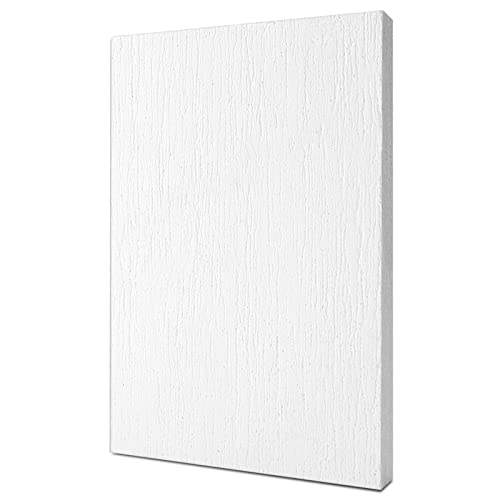
The BXI Ceramic Fiber Thermal Insulation Board is a high-temperature, inorganic insulation board designed for demanding environments. With a nominal size of 12″ x 8″ x 0.4″ and a weight near 0.68 pounds, it provides robust rigidity and durability. The board’s fire resistance is Class A1, and its long-term service temperature reaches up to 2552°F (1400°C), with a maximum use temperature stated at 2732°F (1500°C). Thermal conductivity is 0.082 W/(m·K) and the R-value is 0.12 m²·K/W, supporting effective thermal barriers in furnaces, kilns, and industrial setups. The inorganic composition helps minimize smoke and odor compared to organic ceramic fibers, contributing to safer, long-lived insulation. This board blends high heat tolerance with solid mechanical strength, making it suitable for lining hot surfaces and exhaust paths where heat exposure is extreme.
SmartSHIELD Reflective Foam Core Roll
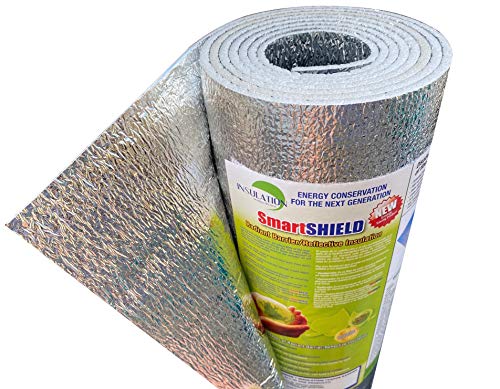
This INSULATION MARKETPLACE SmartSHIELD roll uses a 3mm closed-cell polyethylene foam core sandwiched between highly reflective engineered foil on both sides. The dual-sided reflective surface is designed to reflect up to 95% of radiant energy, delivering a strong radiant barrier for interior walls, attics, and exterior sheathing. The foam core adds lightweight handling and easy cut-and-fit installation, while remaining resistant to moisture and humidity. The product is described as strong yet easy to install, with compatibility for indoor and outdoor use in varied climates. A solid choice for projects requiring a balance of high reflectivity and a compact, manageable form factor.
DGSL Reflective Bubble Foil Insulation

DGSL’s Reflective Bubble Foil Insulation features a double aluminum foil surface bonded to a bubble foil core. This arrangement provides a durable radiant barrier suitable for windows, roofs, garages, and RVs. The product’s weight and flexibility allow for easy handling and installation across irregular shapes. The aluminum foil reflects solar heat, helping to keep interiors cooler in the summer while aiding warmth retention in cooler months. It offers low permeability to moisture and is described as long-lasting and resistant to scratches, making it a practical option for DIY enthusiasts seeking a lightweight barrier with strong thermal performance.
US Energy 10MM Foil Faced Insulation Roll

This 10MM wall-thick insulation roll pairs a reflective foil surface with a white vinyl-coated foam core. The product is described as easy to install and shape, with a one-sided white vinyl surface and the opposite side acting as a radiant barrier. It’s designed for versatility across warehouses, commercial spaces, and residential projects, combining lightweight handling with functional vapor protection. It holds a Class 1/Class A fire rating and is marketed for durability against puncture and moisture, making it suitable for large-area applications where fast, uniform coverage is desirable.
Maasechs R6 Fiberglass Duct Insulation Wrap

The R6 Fiberglass Duct Insulation Wrap is a foil-faced solution designed for HVAC ducts, attics, garages, and other hidden spaces. It combines a dense fiberglass core with aluminum foil facing to block radiant heat, reduce noise, and stabilize indoor temperatures. The product is pitched as easy to cut, wrap, and secure for DIY repairs or upgrades, supporting energy efficiency improvements and system reliability. This option is particularly suitable for ductwork where temperature and condensation control are important, providing both thermal resistance and moisture resistance in a single layer.
AirCliff Foil Faced Insulation Blanket

AirCliff’s foil-faced insulation blanket provides a flexible option for stainless steel liners and other high-temperature applications. Sold in 25-foot increments, it is rated for temperatures up to 2100°F, offering a compact and scalable approach to insulation where rigid boards may not fit. The foil facing helps reduce radiant heat transfer and can be trimmed to fit irregular shapes. This product is well-suited for specialized installations such as industrial ductwork or high-heat equipment enclosures where an adaptable, flame-resistant barrier is essential.
US Energy 10MM Rolls For Large-Scale Projects
This 10MM edition from Trade Winds mirrors the earlier 10MM roll with a reflective side and a white vinyl face. It’s intended for large-scale installations where rapid coverage and consistent radiant barrier performance are critical. The product emphasizes ease of shaping and durability, making it a practical choice for commercial renovations or warehouse retrofits where a robust barrier can help manage heat loads and energy costs over time.
Buying Guide: Key Purchase Considerations For Foil-Faced Insulation
When selecting foil-faced insulation, consider the following factors to ensure the best fit for your space and climate:
- Operating temperature and fire rating: For high-heat areas, prioritize boards with high maximum temperatures and Class A fire ratings to ensure safety and compliance.
- Material and core: Rigid boards, foam-core rolls, and fiberglass wraps each have distinct installation methods, moisture resistance, and R-values. Match the core to your application and exposure conditions.
- Radiant barrier effectiveness: Reflectivity is key for minimizing radiant heat. Higher reflectivity improves performance in sunny or hot environments, especially on roofs and walls exposed to direct sun.
- Moisture and vapor handling: Consider humidity exposure and vapor permeability. Some products are optimized for indoor use, while others perform better in damp settings.
- Installation practicality: Evaluate ease of cutting, shaping, and fastening. Roll options can cover large areas quickly, while rigid boards provide structural stability in walls and ceilings.
- Environmental and health considerations: Inorganic boards tend to produce less odor and smoke during heating, which may be preferable for occupied spaces or renovations.
- Code compliance: Ensure the selected product meets local building codes and fire safety requirements for your project type and location.
- Durability and lifespan: Consider how the material withstands handling during installation and long-term exposure, especially in attics, basements, or exterior applications.
These considerations help align product choices with goals such as energy efficiency, comfort, safety, and budget. Always follow manufacturer installation guidelines and consult a professional for complex thermal barriers or high-temperature environments.