Choosing the right insulation for RV spaces involves balancing thermal efficiency, ease of installation, and compatibility with irregular shapes. The following selections focus on unfaced fiberglass and radiant barrier options that align with a 23-inch width preference while supporting energy efficiency, moisture control, and straightforward DIY installation. This guide highlights five practical products to help readers evaluate options for their RV’s insulation needs, especially when seeking unfaced or minimally faced solutions.
| Product | Type | Approx. Coverage | Key Benefit |
|---|---|---|---|
| RecPro RV Fiberglass Insulation | Unfaced Fiberglass | 83.75 SqFt (1-Pack) | High compressive resistance for RV walls |
| INSULATION MARKETPLACE SmartSHIELD 24×10 Roll | Reflective/ Foam Core | 10 ft | Radiant barrier with vapor and sound blocking |
| INSULATION MARKETPLACE SmartSHIELD 16×10 Roll | Reflective/ Foam Core | 10 ft | Compact radiant barrier with easy cutting |
| SmartSHIELD 24” x 50 ft R17 | Foil/Foil Reflective | 50 ft roll | High R-value with vapor and fire-rated features |
| SmartSHIELD 24″x50ft R15 | White Foam Core with Foil | 50 ft | All-in-one insulation, radiant and vapor barrier |
RecPro RV Fiberglass Insulation 2-1/4″ Thick

This unfaced fiberglass insulation is 2-1/4 inches thick and 15 inches wide, designed for RV applications. It provides a nominal R-7 value, suitable for milder temperature ranges. The product aims to improve energy efficiency and overall comfort inside RVs, making it a practical option for standard wall or ceiling installations where unfaced insulation is preferred to minimize moisture issues. The roll format supports customizable cuts to fit irregular RV compartments while avoiding additional facing materials.
INSULATION MARKETPLACE SmartSHIELD 3mm 24inx10Ft
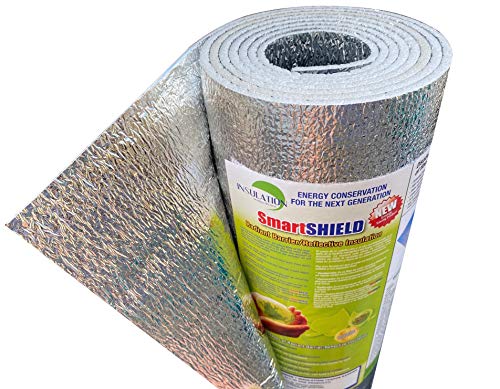
This 3mm reflective insulation features a foam core radiating barrier and engineered foil. It reflects up to 95% of radiant energy, providing a strong radiant barrier while remaining vapor-permeable enough to manage humidity. It’s suitable for RVs seeking a lightweight, easy-to-cut solution that also acts as a sound barrier. The product emphasizes durability and straightforward installation, making it a versatile option for thin-wall RV sections or windows and skylights that benefit from radiant heat control.
INSULATION MARKETPLACE SmartSHIELD 3mm 16inx10Ft
This 3mm reflective insulation roll combines a foam core with a radiant barrier, delivering a compact solution for small RV areas. It claims up to 95% reflectivity of radiant energy while serving as a vapor barrier and simple-to-install option. Its smaller footprint makes it suitable for tighter spaces and for quick retrofits along doors, storage bays, or compact ceiling sections where a full wall panel isn’t needed.
SmartSHIELD 24” x 50 ft R17

This 24 by 50-foot roll provides a robust R17 rating for radiant barrier insulation. It combines a vapor barrier, shielding against humidity, with a fire-rated engineered foil barrier. This option is suitable for larger RV sections or areas with greater exposure to external temperatures. It’s designed to resist moisture while maintaining a relatively lightweight profile for easier handling during installation.
SmartSHIELD 24″ x50ft R15

Designed as an all-in-one insulation solution, this white foam-core roll features radiant barrier properties, a vapor barrier, and a sound barrier. Its clean white appearance means no painting is required, and its reflective foil contributes to energy efficiency by reducing radiant heat transfer. It’s suitable for RV interiors where a simple, multifunctional roll can meet multiple insulation needs without added materials.
Buying Guide: Insulation Options For RVs
When selecting insulation for an RV, consider the following factors to compare options effectively:
- Unfaced vs. faced: Unfaced insulation reduces moisture concerns in RV interiors but may require an additional vapor barrier in some climates. Reflective foils act as radiant barriers, lowering heat gain from the sun.
- R-value vs. radiant barrier: Traditional fiberglass offers measured R-values, while reflective products provide radiant heat reduction (often expressed as a percentage or a radiant barrier rating). Evaluate climate and usage patterns to decide which approach yields better comfort and energy savings.
- Material weight and installability: RV projects benefit from lightweight materials that are easy to cut and fit around irregular shapes, vents, and windows. Foam-core reflective products are typically easier to handle in tight spaces.
- Moisture management: Some RV insulation must withstand humidity and potential condensation. Vapor barriers or foil facings can help manage moisture, but ensure compatibility with RV roof seals and wall assemblies.
- Durability and fire safety: Look for products that meet relevant standards (e.g., Class A fire ratings) and that resist tearing during installation. For RVs, durability reduces maintenance needs over time.
- Cost and durability trade-offs: While fiberglass unfaced insulation may provide solid R-values, reflective foils offer radiant heat control with potential vapor barrier benefits. Balance upfront cost with long-term energy savings and comfort.
Practical installation tips:
- Plan cuts with a template of each space to minimize waste.
- Use appropriate protective equipment when handling fiberglass to avoid skin and eye irritation.
- Ensure proper venting and access to allow moisture to escape behind insulation layers where applicable.
These selections provide a range of unfaced and radiant barrier approaches suitable for 23-inch RV insulation projects. Each option offers a distinct balance of radiant heat control, moisture management, and ease of installation, enabling RV owners to tailor insulation to their climate and usage patterns.