Protecting doors and windows is a fundamental step in home security. This guide highlights reliable magnetic door and window sensors, including wired and wireless options, surface-mounted and recessed designs, and practical installation tips. Each product below aligns with common home security setups and offers straightforward mounting, whether you’re upgrading an existing alarm system or building a DIY protection plan.
| Product | Brand | Key Benefit |
|---|---|---|
| WESUA 5 Pack NC Magnetic Switch Contacts | WESUA | Screw terminal, surface mounted, hidden screws |
| 10 Sets Pack of Wired Surface Mounted Contacts | GAGALOR | Double-sided tape; easy mounting for multiple doors/windows |
| RC-33 NC Recessed Wired Security Contact | QLXHBOT | Recessed design, compact and minimal |
| UHPPOTE Window Door Sensor NC (5 Pack) | UHPPOTE | Widely compatible with access systems |
| Tellegloww 20 Sets Nc Wired Sensors | Tellegloww | Large package for multiple doors/windows; adhesive install |
WESUA 5 Pack NC Magnetic Switch Contacts

The WESUA NC magnetic switch contacts come as a five-pack for broader coverage across doors and windows. They use screw-terminal surface mounting, which supports a clean install with a professional finish. The attractive cover hides mounting screws and terminal screws, helping to maintain a tidy look while providing a reliable switch signal to your alarm system. They are suitable for standard wooden and metal doors, delivering simple integration with compatible control panels.
GAGALOR 10 Sets Wired Surface Mounted Contacts

The GAGALOR set includes ten wired surface-mounted magnetic contacts designed for a range of door and window materials, including wood, glass, and plastic. These contacts integrate with most home burglar alarm systems and ship with screws for secure mounting. They provide a robust, consistent signal for reliable alerts, making them a practical choice for larger homes or installations across multiple entry points.
RC-33 NC Recessed Wired Sensor (5 Sets)

The RC-33 NC recessed sensors are designed for a discreet installation. With an actuation distance of 15-25mm and a compact ABS housing, these sensors offer a low-profile look while delivering a dependable NC switching signal. They are compatible with a range of alarm systems and are ideal for built-in door frames or flush-mounted installations where aesthetics matter as much as security.
UHPPOTE 5 Pack Window Door Sensor NC
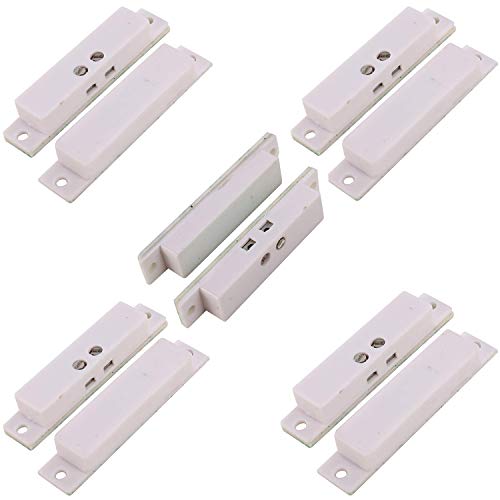
UHPPOTE’s five-pack NC magnetic contacts are designed to work with various access control and alarm systems. They do not supply direct power and rely on the host system to provide the switch signal. This makes them versatile for integrating with existing security setups that require a dry contact input. The sensors are suited for standard door and window frames and offer straightforward wiring for DIY installers.
Tellegloww 20 Sets NC Wired Sensors

The Tellegloww package includes 20 sets of surface-mounted window and door sensors with adhesive backings for a quick, drill-free installation. The product emphasizes durability and ease of use, making it suitable for homes, offices, and even larger facilities. With up to 80 screws included, the kit supports thorough coverage in larger properties that require many entry-point sensors.
Buying Guide
Key considerations when choosing security magnets for windows include compatibility, installation method, and environmental resilience. The main decision points are:
- Wired vs. wireless: Wired sensors offer reliability and don’t rely on batteries, but may require more extensive wiring. Wireless sensors are easier to install and flexible for retrofits but depend on battery life and radio signals.
- Mounting style: Surface-mount sensors are quick to install and work on most doors and frames. Recessed or hidden designs provide a cleaner look but may require more precise installation.
- Signal type and compatibility: Ensure the sensor’s switch type (NC or NO) matches your alarm panel’s input. Dry-contact (no power) inputs are common in many systems, while some sensors provide a powered output.
- Material and sensor distance: Actuation distance affects sensitivity. Typical ranges are 5-25mm. Consider doors with metal frames, glass panels, or thick frames that can alter performance.
- Durability and environment: Look for durable housings (ABS or metal) and consider weatherproof or indoor-only ratings if sensors are placed near exterior doors or windows.
- Package size and scalability: For larger homes, kits with multiple sensors reduce complexity and ensure consistent coverage. Verify screw terminals or adhesive options align with your installation plan.
- Maintenance and compatibility: Confirm compatibility with your existing alarm system or home automation hub. Check whether the sensor requires a separate power source or a dedicated control unit.
In summary, for straightforward DIY installation, surface-mounted NC sensors with clear mounting options and adhesive backing are ideal. For a low-profile look or integration with built-in frames, recessed designs offer cleaner aesthetics. Always plan sensor placement to cover key entry points, and test each sensor after installation to verify reliable signaling to the control panel.