Choosing the right stain or oil for treated pine decking helps protect wood, enhance grain, and extend outdoor life. This guide compares popular oil-based and wax-free natural finishes suitable for pine, with practical details on color, drying time, and application. Each option below is evaluated for interior and exterior use, durability, and ease of application so you can pick a finish that fits your project.
| Product | Brand | Use | Notes |
|---|---|---|---|
| Minwax Ipswich Pine Stain (Quart) | Minwax | Interior/Decking prep | Deep, rich color; fast drying |
| Varathane Ipswich Pine (Quart) | Varathane | Interior/Decking prep | Soya oil-based; natural color |
| Minwax Ipswich Pine Stain (Half Pint) | Minwax | Interior/Small projects | Same color family; smaller size |
| Watco Teak Oil + Stain (Quart) Jacobean | Watco | Interior/exterior, dense woods | One-step color and protection |
| General Finishes Oil Base Gel Stain (1 Quart) | General Finishes | Wood furniture and pine projects | Gel formula; lustrous finish |
Minwax Ipswich Pine Stain, Quart

Minwax Wood Finish is a deep-penetrating, oil-based stain that enriches the natural grain in one coat. It’s ideal for interior projects like furniture and cabinets, with a color that highlights pine’s fibers. The formula penetrates quickly, reduces lap-marking, and dries in about two hours. Application is straightforward with a cloth or brush, following the grain. For a deeper color, apply additional coats after 5–15 minutes of drying. Suitable for pine decking if used in sheltered, indoor-air environments or as a pre-finish seed coat before exterior sealing.
Varathane Ipswich Pine Stain, Quart
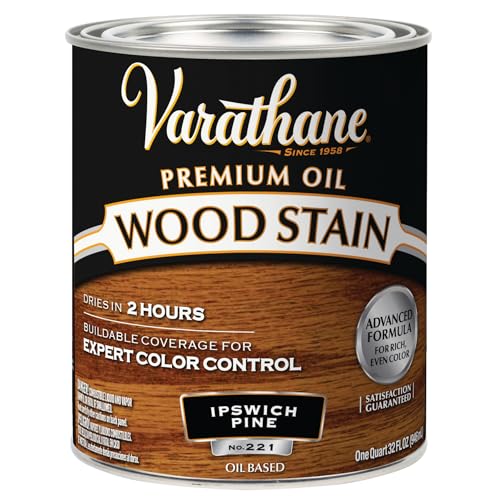
Varathane’s oil-based interior stain uses a soya oil base to deliver deeper penetration and truer color on wood like pine. It dries to the touch within 1–2 hours and covers substantial areas per quart. The formula aims for natural-looking results with a rich finish that can be built up with additional coats. While designed for interior use, it can serve as a color coat for pine decking projects that require a robust, protective layer before exterior sealer.
Minwax Ipswich Pine Stain, Half Pint

This is the same color family as the quart version, offered in a smaller size for quick projects or test runs. The oil-based formula penetrates wood pores quickly, providing rich color and grain enhancement. Drying is typically within a couple of hours, with recoat times similar to other Minwax products. For pine decking exposed to outdoor conditions, plan for a dedicated exterior topcoat to maximize longevity.
Watco Teak Oil + Stain, Quart, Jacobean

Watco Teak Oil + Stain offers interior or exterior one-step protection and color for dense woods like teak and mahogany. It provides a rich blend of color with efficiency, drying to handle light use within 8–10 hours and covering a sizable area per quart. While marketed for dense woods, it also serves pine decking projects that require color alongside protective oils in a single application, simplifying maintenance and touch-ups.
General Finishes Oil Base Gel Stain, New Pine

General Finishes Gel Stain provides a heavy-bodied finish with a lustrous appearance that stands out on pine. The gel formula tends to stay in place, requiring less penetration than liquid oil stains. It’s favored for projects where a strong, uniform color and a refined finish are desired. It does not penetrate as deeply as traditional oil-based stains, which can affect how you finish pine decking that may encounter outdoor exposure.
Buying Guide
Key considerations when selecting a treated pine deck finish include durability, whether you need interior or exterior performance, color depth, and ease of application. Oil-based finishes typically offer deeper color and longer wear, while gel or shellac-like formulations provide more control over application and a more uniform appearance. For outdoor decks, pair any stain with a compatible outdoor sealer or topcoat to extend life against sun, moisture, and temperature changes.
- Climate and exposure: Choose finishes rated for exterior use or that can be sealed with a weatherproof topcoat.
- Color and grain: Deep colors enhance pine grain; lighter stains preserve natural look and texture.
- Application technique: Rubbing in along the grain with a cloth or brush yields even coverage; test on scrap before full application.
- Drying and recoat: Consider recoat times and the total project timeline, especially for large deck areas.
- Coverage: Larger quart sizes cover more area; note that darker colors may require more coats for even color.
- Maintenance: Some finishes wear evenly; others may need spot touch-ups or sand-and-refinish cycles after weathering.
For pine decking, a practical approach is to start with a color coat that enhances the wood grain, then apply a durable exterior sealer or topcoat designed for outdoor use. Testing a small area first helps confirm color results under your specific sunlight and moisture conditions. Consider pairing a rich stain with a UV-resistant topcoat to maintain color fidelity over time.