Choosing a vacuum flush composting toilet for off-grid cabins, vans, boats, or tiny homes combines comfort with eco-friendly waste management. This guide highlights five top options that emphasize compact footprints, odor control, and simple maintenance. Each product section includes practical insights drawn from their features to help you compare installation, performance, and compatibility with busy living spaces.
| Product | Brand | Key Benefit | Notes |
|---|---|---|---|
| OGO Origin Composting Toilet | OGO | Ultra-compact, urine-diverting, off-grid ready | 12V electric agitator |
| Cuddy Composting Toilet | Compo Closet | Odor-free, self-contained with fan & filter | 3.9 gal capacity |
| LECARDIO Composting Toilet | LECARDIO | Rapid composting with heating plate | Waterless design |
| Nature’s Head Self-Contained Toilet | Nature’s Head | Compact, spider handle variant | Well-known off-grid option |
| TROBOLO WandaGO Composting Toilet | TROBOLO | Urine-diverting, adjustable seat | Portable and lightweight |
Note: All products featured are designed for tight spaces and off-grid scenarios, offering odor control, self-contained operation, and simple maintenance without reliance on a traditional black tank system.
OGO Origin Composting Toilet – Compact, Urine Diverting
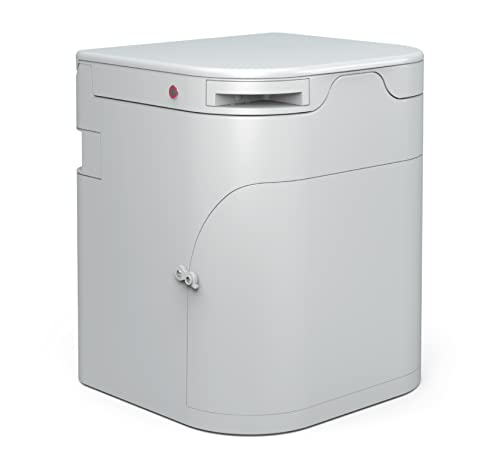
The OGO Origin is designed for tight builds, with a 15″ x 16″ footprint that fits corners others can’t. Its 12V electric agitator eliminates manual cranking, delivering consistent mixing with a simple push-button action. The urine-diverting system sends liquids to a 2.4-gallon bottle, keeping solids in the rear dry bin and reducing odors in spaces like vans, tiny homes, boats, or campers. This unit emphasizes a modern, compact appearance and cleaner daily operation, closely resembling a standard household toilet while staying off-grid friendly.
Cuddy Composting Toilet – Odorless & Self-Contained

The Cuddy system is built to fit flush or freestanding in tight spaces, making it ideal for RVs, vans, boats, and small cabins. It features a self-contained composting chamber with a manual mixer, allowing quick maintenance after each use. An integrated fan and filter system provides odor reduction, while the two-plate drop-zone cover helps separate liquids from solids to minimize smells. The design supports off-grid living with a sealed liquids bottle and a no-spill valve for a cleaner experience during travel and storage.
LECARDIO Composting Toilet – Heating Plate & Odor Control

The LECARDIO model emphasizes rapid composting with a distinctive microbial package that promotes actual composting inside the unit. It uses an exhaust fan to vent odors during use, keeping the bathroom odor-free. A heating plate helps maintain higher interior temperatures to support composting in cold or damp environments. This system is designed to be reliable in off-grid conditions where electricity access may be limited and temperature control is crucial for efficient decomposition.
Nature’s Head Self-Contained Toilet (Spider Handle)

Nature’s Head is a long-standing name in composting toilets, offering a self-contained design with various handle configurations, including the optional spider handle variant. It is renowned for solid construction and robust odor management in small, off-grid living spaces. The design prioritizes ease of installation and maintenance, with components built to withstand mobile or remote environments. While it may require careful planning for mounting, it remains a widely trusted option for tiny homes and sailboats alike.
Cuddy Composting Toilet – Odorless & Self-Contained (Second Variant)
This alternative Cuddy model mirrors the compact, odor-free, self-contained features of the first Cuddy listing. It remains suitable for vans, boats, and RVs where space is at a premium. The setup emphasizes the same essentials: a self-contained chamber, a manual mixer for aeration, an odor-reducing fan and filter, and a design that minimizes spills and odors during off-grid use. It’s a practical option for travelers seeking a reliable sanitation solution in tight quarters.
TROBOLO WandaGO Composting Toilet – Portable with Height Adjustment

The TROBOLO WandaGO is a compact, lightweight option suitable for mobile use where storage and weight are critical. It features a urine-diverting design and an adjustable seat height to enhance comfort. The system emphasizes odor control and spill protection, offering a practical solution for campers, caravans, and remote cabins. Its portability makes it a flexible choice for situations needing temporary or easily relocated sanitation equipment.
Buying Guide: Key Purchase Considerations
- Footprint and installation space: Measure available floor area to ensure the unit fits in tight builds; consider whether you prefer a flush-mounted or freestanding setup.
- Urine separation vs. single-bowl designs: Urine-diverting toilets reduce odors and improve waste management by separating liquids from solids, often enabling smaller liquid storage and drier waste.
- Ventilation and odor control: Look for built-in exhaust fans, carbon filters, and sealed waste bottles to minimize smells in small spaces.
- Power and off-grid suitability: Some models rely on 12V systems or manual operation. Assess whether you have reliable power access or need fully manual or battery-powered options.
- Maintenance and ease of use: Consider frequency of required mixing, bagging or compost material, and ease of cleaning. Self-contained units typically offer simpler maintenance.
- Capacity and waste handling: Waste chamber capacity affects emptying frequency. Larger capacities reduce maintenance but may require more space.
- Durability and warranty: Off-grid living demands sturdy builds and long warranties; review materials, seals, and the manufacturer’s support options.
- Water use and heating features: Waterless designs save resources, while heated components support composting efficiency in cold climates.
- Portability vs. permanence: Portable units benefit vans or boats with frequent relocation; fixed installations suit tiny homes with permanent setups.
- Cost of ownership: Include installation, maintenance supplies, and replacement parts over the long term to compare total ownership costs.