Choosing the right wall ties is essential when anchoring stone masonry to wood framing or veneer. The following selections are designed to reinforce stability, resist rust, and fit typical cavity sizes. This guide reviews five top options, highlighting material, corrosion resistance, and installation considerations to help you compare performance across stone and brick applications.
| Product | Brand | Material | Typical Use |
|---|---|---|---|
| Mutual Industries 7100-100-22 | Mutual Industries | 22 Gauge Metal | Masonry-to-masonry anchors for stone and veneer systems |
| LEIFIDE Corrugated Brick Wall Tie | LEIFIDE | 22 Gauge steel, galvanized | Brick-to-wood or brick-to-wood frame stability |
| Helical Stitching Tie (Machotsl) | Machotsl | 304 Stainless Steel | Crack repair and reintegration in brick, block, stone |
| CHOPACAM Helical Stitching Tie | CHOPACAM | 304 Stainless Steel | Wall restoration with invisible repairs in masonry |
| Sandbaggy Corrugated Brick Wall Tie | Sandbaggy | 22 Gauge Steel, galvanized or stainless | 1-inch cavity with wood backing for veneer or brick ties |
Note: Product features, materials, and compatibility vary by model. Review the installation requirements and cavity sizes for each option to ensure a proper fit with your stone project.
Mutual Industries 7100-100-22 Wall Ties

These 22-gauge ties anchor masonry to masonry, providing a straightforward solution for stone and veneer applications. The product originates from the United States and comes in a larger package, suitable for contractors handling sizable projects. Consider the required quick installation and compatibility with existing stone panels when planning installation.
LEIFIDE Corrugated Brick Wall Tie Set

Designed for 1-inch wall cavities, these 0.88″ wide by 6.56″ long ties deliver stability between bricks and wooden structures. They are constructed from 22-gauge steel with galvanization for rust resistance, offering an economical long-term solution for stone-adjacent masonry work where wood framing is present.
Machotsl Helical Stitching Tie (10-Pack)
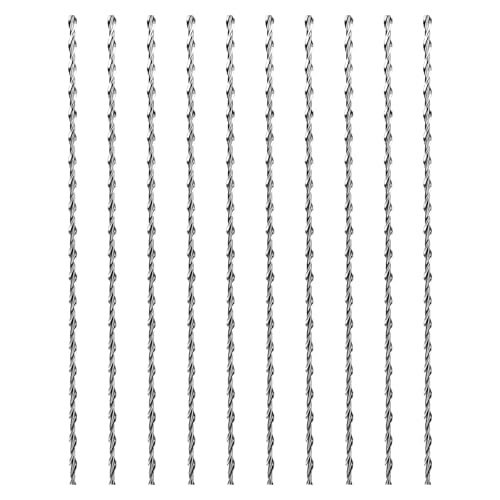
Made from 304 stainless steel, this helical stitching tie distributes loads across a larger surface, improving tension resistance in brick, block, and stone masonry. Ties are designed for grouted repairs with minimal visual disruption, making them suitable for restoration projects where appearance matters.
CHOPACAM Helical Stitching Tie (10-Pack)

This 1/4″ x 40″ stainless steel tie improves the overall strength of masonry structures by spreading loads evenly through a helical design. It is suitable for repairs in stone, brick, and block and can be grouted into joints for a nearly invisible fix that preserves the building’s aesthetics.
Sandbaggy Corrugated Brick Wall Tie

These 22-gauge steel ties are designed for 1-inch wall cavities with wood backing. They feature rust-resistant galvanization options and offer durable anchoring for masonry to veneer or wood-framed walls. The product is positioned to meet the needs of large masonry projects and alignment with builder standards.
Buying Guide
Key purchase considerations when selecting wall ties for stone projects include material and corrosion resistance, compatibility with wall cavity size, and the structural demands of the project.
- Material and corrosion resistance: Stainless steel (304) ties provide superior rust resistance in damp environments, ideal for exterior stone or areas with high humidity. Galvanized steel offers a cost-effective option with good rust resistance for interiors or sheltered installations.
- Wall cavity size and fit: Ensure the tie length and width suit your cavity, whether 1 inch or other dimensions. Corrugated or helix designs distribute loads differently; verify compatibility with your brick, stone, or veneer system.
- Load distribution and repair needs: Helical stitching ties spread tension across a larger area, reducing peak stresses. For crack repairs or historic restorations, inconspicuous grout-in placements help preserve aesthetics.
- Installation ease and supply scale: For large projects, supplier quantities and packaging matter. Some products come in packs of 10 or 200, affecting upfront planning and inventory management.
- Code and compatibility: Check local building codes for masonry anchors and ensure the chosen ties meet required standards for stone and veneer assemblies.
Compared to traditional flat ties, helical or corrugated designs can offer improved load transfer in constrained joints. For veneer stone applications with wood backing, selecting rust-resistant steel minimizes maintenance and long-term repair costs. In interior settings or historic renovations, opt for low-visibility options that grout in cleanly without altering the exterior appearance.