When choosing a finish for white oak flooring, homeowners often seek products that enhance the grain, provide durable protection, and dry cleanly with minimal odor. This guide highlights top products that help you achieve a clear, natural look on white oak—whether you’re applying a clear sealant, a filler for repairs, or a stain that preserves light color without masking grain. Each item below is selected for relevance to white oak flooring, balanced performance, and accessibility.
| Product | Type | Best For |
|---|---|---|
| Varathane 384807 Water Based Wood Stain, White Oak | Stain | Even light color with minimal odor |
| Minwax 70001444 Wood Finish, Golden Oak | Stain | Deep color and grain definition |
| Varathane Triple Thick Polyurethane Clear Wood Finish | Clear finish | One-coat protection with durable matte look |
| Woodwise White Oak Wood Patch Filler | Filler | Patch, sand, and blend with oak grain |
| Rust-Oleum Parks Pro Finish Floor Filler Red Oak | Floor filler | Pre-tinted filler for oak floors |
Note: This selection focuses on products commonly used with white oak flooring to achieve a bright, clear, and natural finish. Always follow manufacturer instructions and test a small area before full-room application to ensure color and performance meet your expectations.
Varathane White Oak Stain For A Clear, Natural Look

Product highlights include a water-based formula designed to deliver rich, even color in one coat on most surfaces. It is low-odor and low-VOC, helping maintain a comfortable indoor environment during application. Advanced pigments are used to enhance the natural beauty of wood, reducing the risk of blotching on white oak. The stain dries quickly, allowing for faster project completion. For deeper color, additional coats can be applied, giving you control over the final tone while preserving the wood’s grain texture.
When applying a stain to white oak, consider the pre-existing tone of your boards and the desired final look. Lighter finishes help reveal more grain detail, while deeper tones can mute some of the oak’s natural fleck patterns. Test on a scrap piece or an inconspicuous board to preview color shifts across multiple coats. If a clear finish is preferred afterward, pair with a compatible topcoat to preserve the color you created with the stain.
Goodfilla White Oak Wood Filler For Seamless Repairs
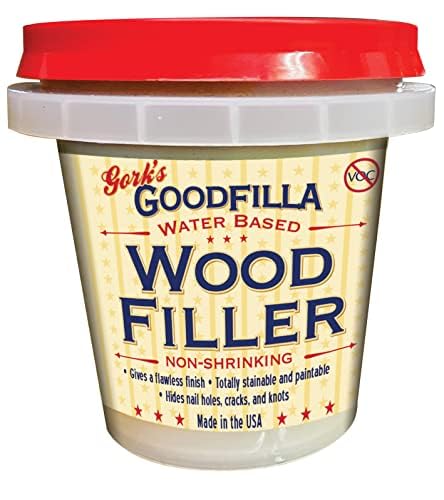
This tintable, stainable, and sandable filler is designed for professional woodwork and DIY projects alike. The product claims no shrinkage, no sinking, and excellent adhesion, making it suitable for filling knots, gouges, and minor cracks in white oak floors before finishing. It accepts stains and finishes well, allowing you to match surrounding boards or to create a controlled contrast. The filler reconstitutes with water, providing a flexible shelf life and easy reworking if needed. It is marketed as a zero-waste, non-toxic option suitable for interior projects.
For best results, apply a thin coat to the damaged area, level with the surrounding wood, and let it dry. If needed, sand lightly and wipe away dust before applying the final stain or clear finish. Because white oak features a prominent grain pattern, test color matching on a scrap piece or a hidden area to ensure the repaired section blends naturally with the rest of the floor.
Minwax Golden Oak Wood Finish For Warm, Natural Tone
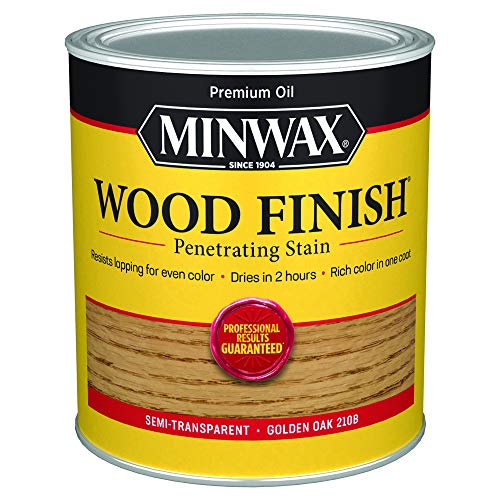
Minwax Wood Finish is a deep-penetrating oil-based stain that enhances the natural grain of wood with a warm golden hue. The product is designed for interior staining projects such as furniture, cabinets, doors, and floors. It claims quick penetration into wood pores, helping reduce lap marks, and a two-hour dry time to simplify scheduling. Application is straightforward with a cloth or brush along the grain. Reapplication can deepen color for a richer effect. While this is a stain rather than a clear finish, it remains a common choice for achieving a controlled oak tone before applying a protective topcoat to preserve color and sheen.
When using a stain on white oak flooring, consider your desired final appearance. Lighter applications reveal more of the oak’s natural fleck, while multiple coats produce a deeper tone. After staining, always finish with a compatible clear topcoat to seal and protect the wood from wear. Testing on a sample board helps you predict color transfer to neighboring boards as well as aging with sunlight exposure.
Mohawk Fil-Stik Wax Putty For Quick Touch-Ups

Mohawk Fil-Stik is a wax-based wood filler designed for quick repairs of scratches, nicks, and gouges. It’s easy to apply by rubbing over the imperfection, then smoothing with a card or cloth. The Light Golden Oak shade matches many white oak finishes and provides a fast, mess-free touch-up solution without requiring drying time. While not a full-floor repair product, it can be a practical tool for minor surface defects that occur during normal wear. For best results, re-seal repaired areas with a compatible topcoat to ensure consistent sheen and durability across the floor.
Consider keeping a few shade options on hand to match the natural variation in white oak floors. Wax-based fillers may not be ideal for deep repairs or large sections but can significantly improve appearance for small imperfections while maintaining a uniform look when followed by a protective finish.
Rust-Oleum Parks Pro Finish Floor Filler For Oak Floors

This floor filler is pre-shaded for red oak and white oak, offering a practical solution for leveling gouges and holes before finishing. It dries quickly to a sandable surface, allowing for smooth transitions with surrounding boards. The water-based formula minimizes strong odors and reduces sanding time compared with heavier solvent-based products. For best results on white oak, apply a thin layer, allow adequate curing, then sand to a flush finish before applying a protective topcoat. The shade pre-tint helps achieve a consistent look across patched areas when a clear finish is used afterward.
When using fillers on high-traffic floors, consider the expected wear and how the filler will respond to staining or sealing. Sand lightly between coats to maintain an even surface and prevent noticeable ridges. Always test color and finish on an off-cut or inconspicuous board to ensure the patched area blends well with the rest of the floor over time.
Buying Guide: Key Purchase Considerations For White Oak Flooring Finishes And Fillers
Color neutrality: White oak often benefits from products that preserve its light, natural appearance. Clear finishes and light stains help reveal grain without overpowering the wood’s pale base. Test samples to compare how different products affect brightness and contrast in your space.
Finish type and durability: Choose between water-based and oil-based finishes based on odor, cure times, and cleanup. Water-based formulas generally dry faster and have lower odor, while oil-based options may deepen color and offer different wear characteristics. For floors in high-traffic areas, a durable polyurethane topcoat—especially one with UV resistance—can preserve color and protect grain.
Filler compatibility: For repairs on white oak, select fillers that match the wood’s porosity and tone. Stainable and tintable fillers offer flexibility if you plan to stain the floor later. Ensure the filler sands smoothly and accepts subsequent finishes to avoid patchy patches after finishing.
Application and cleanup: Read product labels for application tips and recommended tools (brush, rag, or tutt). Water-based products typically clean up with soap and water, while solvent-based finishes require appropriate disposal. Proper ventilation is important for odors and VOC exposure during application.
Repair strategy: For minor nicks and scratches, wax putties and wood fillers provide quick cosmetic fixes. For larger repairs or uneven boards, plan a patch method or replace damaged boards as needed. Consider coordinating fillers or patches with the final finish to maintain a consistent appearance across the floor.
Environmental considerations: Look for low-VOC or zero-VOC options when indoor air quality is a priority. Some products advertise sustainability features like long shelf life and recyclable packaging. Always check for product certifications and safety data sheets if needed for your project.